
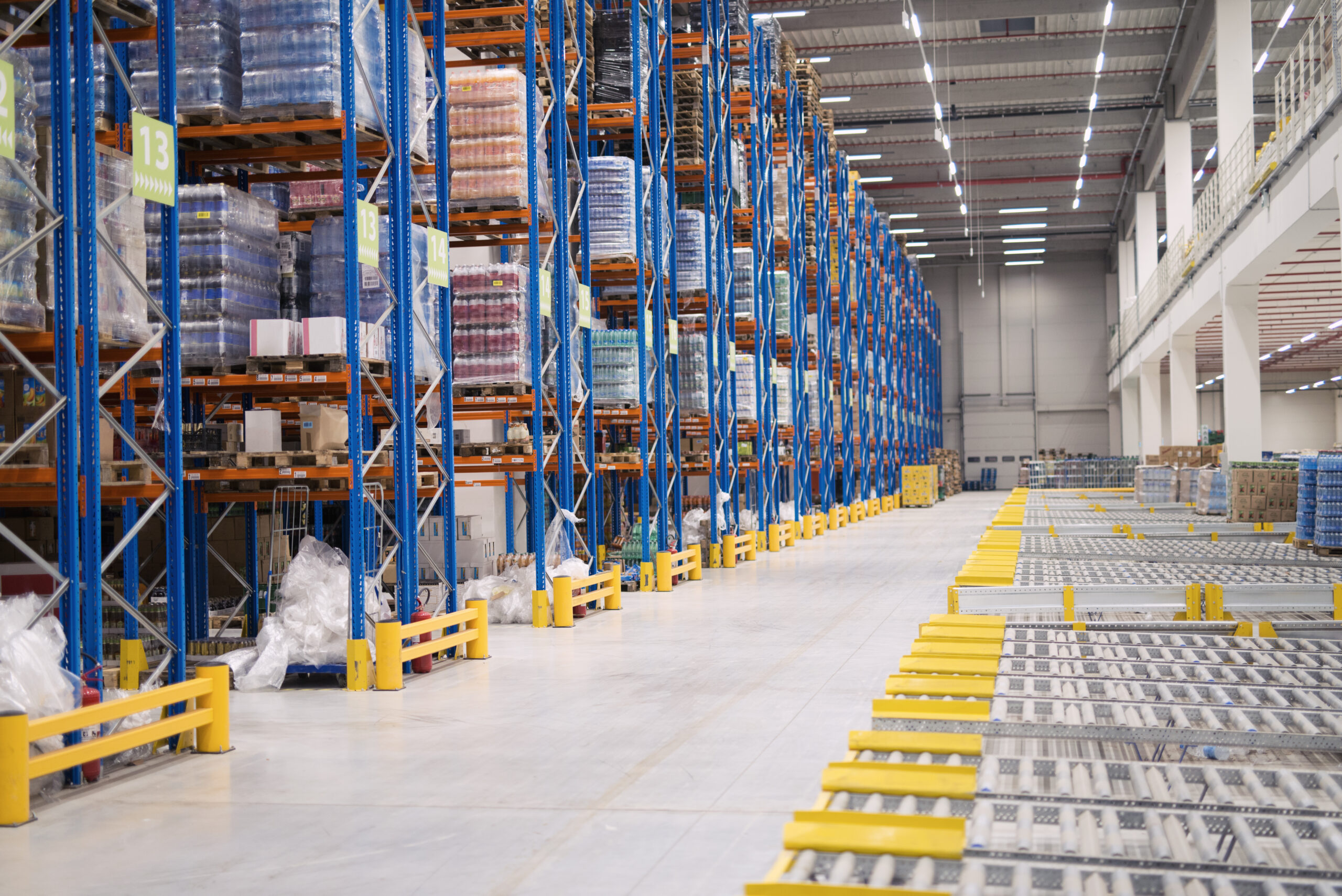
Malaysia’s e-commerce sector has continued its rapid expansion, and the businesses feeling that growth most directly are not just the online sellers themselves — it is the warehousing and fulfilment providers supporting them. The kind of warehouse Malaysian SMEs need today looks meaningfully different from what was standard even a few years ago, and that shift is worth understanding if you are evaluating warehouse Malaysia options for your business.
Why Warehouse Requirements Have Changed
Traditional warehousing in Malaysia was built primarily around bulk storage for wholesale and traditional retail supply chains — large pallet quantities, infrequent movement, and straightforward in-and-out logistics. E-commerce has introduced a fundamentally different operating pattern that many older warehouse facilities and processes were not designed around.
Higher pick frequency, smaller order sizes. An e-commerce warehouse processes a continuous stream of individual customer orders rather than periodic bulk shipments to retail outlets. This requires a different internal layout, picking process, and staffing model than traditional bulk storage.
Speed expectations driven by marketplace standards. Malaysian consumers shopping on major e-commerce platforms have been conditioned to expect fast fulfilment — often next-day or two-day delivery within the Klang Valley and other major urban centres. This places direct pressure on how quickly a warehouse can pick, pack, and hand off an order to delivery.
Returns processing as a routine function, not an exception. E-commerce returns rates are meaningfully higher than traditional retail, and a warehouse supporting online sellers needs a built-in process for receiving, inspecting, and restocking or disposing of returned goods — a function that traditional bulk warehousing rarely needed to handle at this volume.
Integration with multiple sales channels simultaneously. Many Malaysian SMEs now sell across several marketplaces and their own website at once, which means warehouse inventory systems need to sync stock levels across all channels in real time to avoid overselling or stockouts.
What to Look for in a Warehouse Malaysia Provider in 2026
Given this shift, the criteria that actually matter when evaluating a warehouse rental Malaysia option have changed from a few years ago.
Flexible storage configuration, not just floor space. A warehouse that can configure racking, designated bays, and layout specifically around your SKU profile and order patterns will perform meaningfully better than generic floor space rented by the square foot. This matters particularly for businesses with a high number of SKUs or significant size variation between products.
Inventory management capability built into the service. Real-time stock visibility, accurate reporting, and integration support with your sales channels has moved from a nice-to-have to a baseline expectation for any warehouse Malaysia provider serving e-commerce or fast-moving retail clients.
Strategic location relative to delivery networks. Given the speed expectations driving Malaysian e-commerce fulfilment, a warehouse located near major transport routes and delivery hubs has a direct, measurable impact on how quickly orders can move from storage to the customer’s door.
Order fulfilment support beyond pure storage. Many growing Malaysian SMEs benefit significantly from a provider who can support pick-pack-ship fulfilment and logistics coordination as part of the warehousing service, rather than treating storage and fulfilment as entirely separate functions requiring separate vendor relationships.
Standard Storage vs Customised Solutions: Which Does Your Business Need?
Not every business needs the same warehouse configuration, and understanding which category your operation falls into helps avoid over- or under-specifying your storage needs.
Standard warehouse storage — clean, dry, accessible space for general inventory — remains the right fit for businesses with relatively stable, low-complexity stock: industrial parts, retail goods with simple SKU profiles, or businesses early in their growth where flexibility matters more than highly customised configuration.
Customised storage solutions — tailored racking systems, designated bays, and layouts configured around specific operational needs — become increasingly valuable as a business’s SKU count grows, as order patterns become more complex, or as the cost of inefficient picking and storage starts to show up meaningfully in fulfilment time and labour cost.
At DeHubs, our warehouse Malaysia services span both categories — standard storage for straightforward inventory needs, and customised configurations including tailored racking and designated bays for businesses whose operational complexity has outgrown generic storage space. Our value-added services, including inventory management, stock reporting, and order fulfilment support, are designed specifically to address the operational gaps that e-commerce growth has exposed in traditional warehousing models.
The Cost of Outgrowing Your Warehouse Setup Without Noticing
A pattern we see frequently among growing Malaysian e-commerce and retail businesses is outgrowing their warehouse setup gradually, without a clear trigger point that prompts a review. Order volume increases steadily, SKU count grows, and the warehouse configuration that worked well at an earlier stage starts to create friction — slower picking times, more frequent stock discrepancies, and fulfilment delays that creep in incrementally rather than appearing as a sudden problem.
The cost of this gradual mismatch is real but often underestimated, because it shows up as a series of small inefficiencies rather than one obvious failure. Reviewing your warehouse configuration against your current — not historical — order volume and complexity on a regular basis is a more reliable approach than waiting for an obvious breaking point.
Frequently Asked Questions About Warehouse Solutions in Malaysia
1. What is the difference between standard and customised warehouse storage?
Standard warehouse storage provides general-purpose space suitable for straightforward inventory needs. Customised storage solutions involve tailored racking systems, designated bays, and layouts specifically configured around a business’s particular SKU profile, order volume, and operational requirements — typically becoming more valuable as a business’s complexity grows.
2. Why has e-commerce growth changed warehouse requirements in Malaysia?
E-commerce order patterns — high pick frequency, small order sizes, fast delivery expectations, and significant returns volume — differ fundamentally from traditional bulk wholesale or retail supply chain patterns. Warehouses supporting e-commerce sellers need different internal processes, layouts, and inventory systems than those designed primarily for bulk storage and infrequent movement.
3. Does a warehouse provider need to offer fulfilment services, or just storage?
This depends on your business model, but increasingly, Malaysian SMEs benefit from a provider offering pick-pack-ship fulfilment and logistics coordination alongside storage, since managing storage and fulfilment through separate vendors introduces coordination overhead and potential delays at the handoff between them.
4. How do I know if my business has outgrown its current warehouse setup?
Common signals include slower picking and packing times relative to order volume, increasing stock discrepancies between system records and actual inventory, more frequent fulfilment delays, and rising labour cost per order processed. These tend to develop gradually, so a periodic review against current order volume and complexity — rather than waiting for an obvious breaking point — is the more reliable approach.
If your business needs warehouse storage that can scale with e-commerce growth, contact DeHubs to discuss your specific requirements, or explore our warehouse Malaysia services for more detail on our standard and customised storage options.