
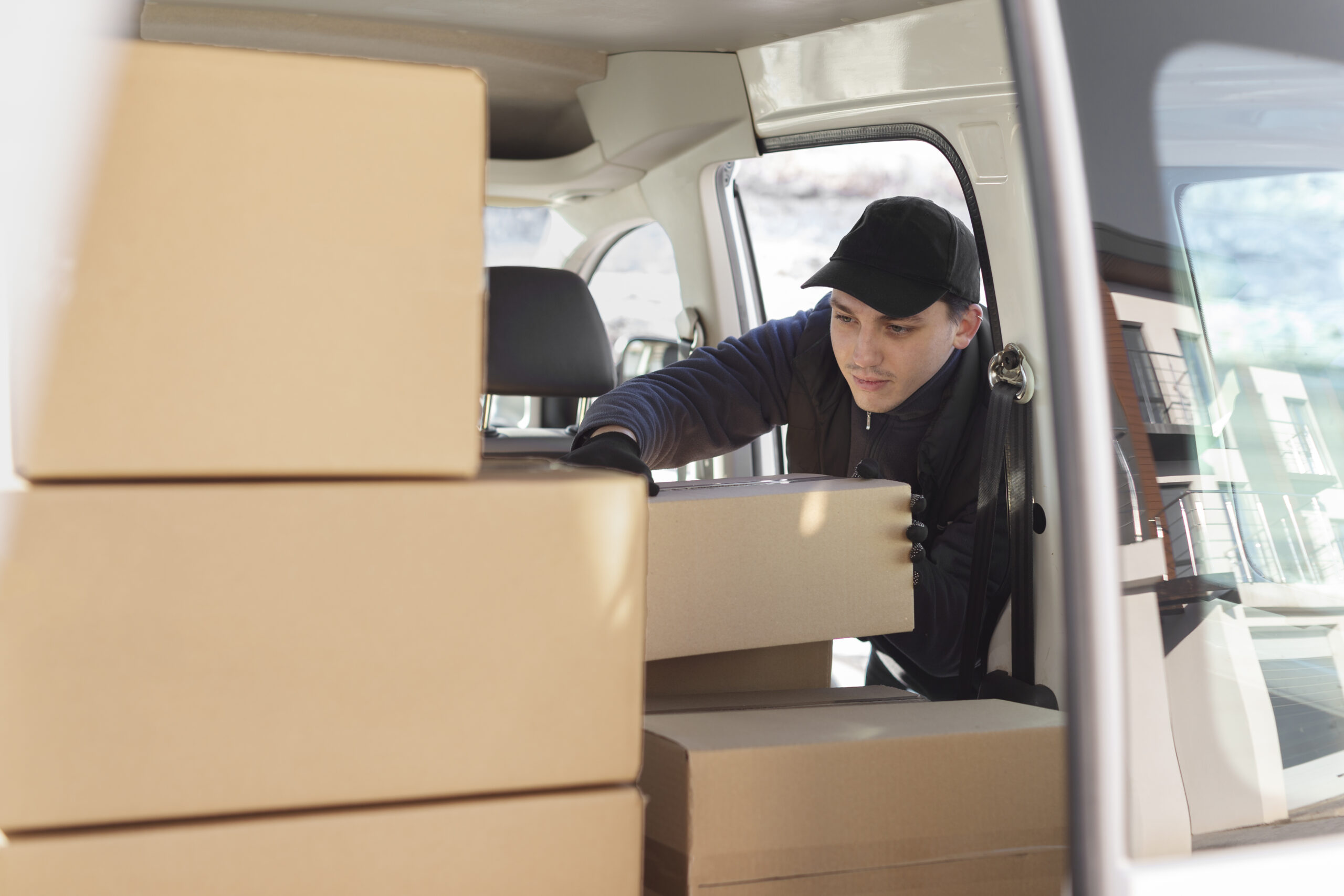
Malaysian businesses moving goods domestically are increasingly finding that the hardest, most expensive, and most service-critical part of the journey is not the long-haul leg — it is the final delivery to the end customer’s door. Last-mile delivery has become the part of transport services in Malaysia that customers actually notice, complain about, and switch providers over, which has reshaped what businesses should actually look for in a transport partner.
Why Last-Mile Delivery Has Become the Focal Point
The economics and customer experience of domestic transport in Malaysia have shifted noticeably as e-commerce and on-demand customer expectations have grown.
Customer expectations have risen faster than infrastructure. Malaysian consumers, conditioned by major e-commerce platforms, increasingly expect fast, reliable, trackable delivery as the default — not a premium service. Businesses unable to meet this expectation face a real competitive disadvantage, regardless of how efficient their upstream logistics are.
Last-mile delivery is disproportionately expensive relative to the rest of the supply chain. Moving goods in bulk over long distances is, per unit, considerably cheaper than the final delivery leg — navigating individual addresses, smaller load sizes, and the unpredictability of urban traffic and access. This cost imbalance means inefficiency in last-mile delivery has an outsized effect on overall transport cost.
Delivery experience has become a direct extension of brand experience. For many Malaysian businesses, the delivery interaction is the only physical touchpoint a customer has with the brand after an online purchase. A late, mishandled, or poorly communicated delivery damages the customer relationship in a way that upstream logistics inefficiency, invisible to the customer, does not.
What “Fast Delivery” Actually Requires Operationally
Promising fast delivery is straightforward. Delivering on that promise consistently requires several operational elements working together, and gaps in any one of them undermine the whole system.
Route optimisation that accounts for real conditions. Static, pre-planned routes that do not adjust for actual traffic, road closures, or delivery density perform poorly compared to dynamic routing that responds to real-time conditions — particularly in dense urban areas like the Klang Valley where traffic variability is significant.
Reliable tracking and communication. Customers increasingly expect visibility into where their delivery is and a reliable estimated arrival window, not just a vague delivery date. Transport providers without real-time tracking capability are operating at a service disadvantage regardless of their actual delivery speed.
Capacity and fleet flexibility to handle demand fluctuation. Malaysian retail and e-commerce demand fluctuates significantly around promotional periods and seasonal peaks. A transport provider with rigid, fixed capacity struggles to maintain service quality during these peaks, which is exactly when reliable delivery matters most to customer retention.
Coordination with the upstream supply chain, not isolated operation. Last-mile delivery performance is affected by what happens before it — if goods arrive late from warehousing or are not properly prepared for dispatch, no amount of last-mile efficiency can fully compensate. Transport services that operate in coordination with warehousing and fulfilment, rather than as an isolated function, tend to deliver more consistent end-to-end performance.
How De Hubs Approaches Fast, Reliable Transport in Malaysia
Our fast delivery service Malaysia offering is built around exactly this operational reality — recognising that fast, reliable delivery depends on more than just vehicle speed, and requires the routing, coordination, and capacity flexibility to perform consistently, not just on a good day.
Because De Hubs also provides warehousing, sea freight, and air freight services, our transport and delivery operations are positioned within the broader supply chain rather than functioning in isolation — which matters specifically for the kind of upstream coordination that affects last-mile delivery reliability discussed above.
Choosing a Transport Partner: What Actually Predicts Reliable Service
For Malaysian businesses evaluating transport and delivery service providers, a few practical signals tend to predict actual service reliability more accurately than a sales pitch alone.
Ask how they handle a genuine demand spike, not a normal day. Any provider can deliver well on an average day with predictable volume. Ask specifically how they have handled a major promotional period or seasonal peak, and what actually happened to delivery times and customer communication during that period.
Check whether tracking and communication are built into their standard service, or an add-on. Real-time tracking that is bundled into every shipment as standard, rather than offered as a premium feature, is a more reliable signal of a provider built around current customer expectations.
Understand how their transport service connects with the rest of your supply chain. If you are also using the same provider for warehousing or freight, ask specifically how those functions are coordinated — whether information flows directly between them or whether you are effectively managing separate vendor relationships that happen to share a company name.
Ask for specifics on coverage area and actual transit times, not marketing language. “Fast delivery” means different things in different contexts. Get specific commitments on coverage area and realistic transit windows for your actual delivery locations, not general claims.
Frequently Asked Questions About Transport Services in Malaysia
1. Why is last-mile delivery more expensive than long-haul transport per unit of goods moved?
Last-mile delivery involves navigating individual addresses, smaller load sizes per stop, and unpredictable urban conditions such as traffic and parking access — all of which are inherently less efficient than moving consolidated bulk freight over long distances. This cost structure is consistent across most markets, not unique to Malaysia, but it has become more prominent as e-commerce has increased the proportion of total shipping volume that involves last-mile delivery to individual customers.
2. What should a business look for in a fast delivery service provider in Malaysia?
Key factors include real-time tracking and proactive communication as a standard feature, dynamic route optimisation that responds to actual traffic and delivery conditions, fleet and capacity flexibility to handle demand peaks, and coordination with the broader supply chain (warehousing, freight) rather than operating as an isolated transport function.
3. Does coordinating transport with warehousing actually improve delivery performance?
Yes, in practical terms. Delivery performance depends on what happens upstream — if goods are not properly prepared, picked, or dispatched on time from the warehouse, the transport leg cannot fully compensate regardless of its own efficiency. Providers offering both warehousing and transport under coordinated operations tend to deliver more consistent end-to-end performance than managing these as separate vendor relationships.
How can a Malaysian business prepare for delivery demand spikes during promotional periods? Working with a transport provider who has demonstrated flexible capacity during previous demand peaks, rather than rigid fixed capacity, is the most direct way to manage this risk. Businesses should ask providers directly about past performance during major promotional or seasonal peaks rather than relying on standard service descriptions alone.
If your business needs a transport partner who can deliver consistently — not just on an average day, but during your busiest periods — contact De Hubs to discuss your delivery requirements, or explore our fast delivery service Malaysia offering.