
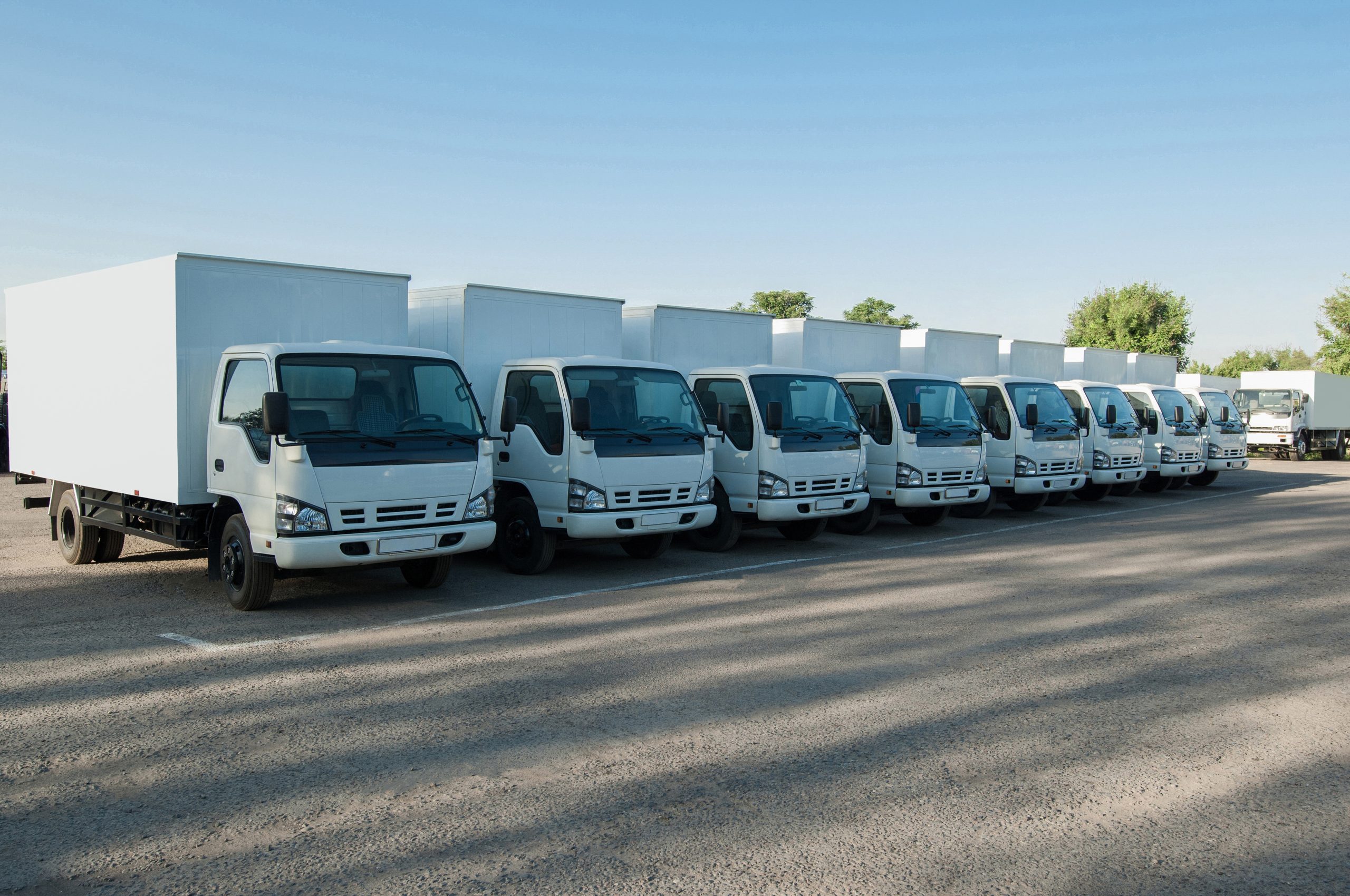
Malaysian lorries are named by nominal size: 1-tonne, 3-tonne, 5-tonne, 10-tonne and up. But the legal payload is the BDM (maximum laden weight) minus the BTM (empty weight) on the vehicle’s registration, so it is always lower than the name suggests. A 5-tonne lorry with a 17-foot body, for example, usually carries up to about 4 tonnes. Pick the lorry by both weight and volume.
Choosing a lorry by its name is the most common and most expensive mistake in B2B road transport. Too small and the cargo does not fit, the job is re-quoted, or the lorry runs overloaded. Too big and you pay for empty space on every trip. This guide explains how lorry sizes really work in Malaysia, how to read BDM and BTM, and how to match a truck to your cargo.
Common Lorry Sizes for B2B Transport
| Lorry | Typical body | Indicative payload* | Best for |
|---|---|---|---|
| 1-tonne | About 10 ft | Up to about 1 tonne | Small urban drops, light cartons |
| 3-tonne | About 14 ft | Up to about 3 tonnes | Small to medium B2B loads, port pickups of a few pallets or bags, urban and interstate jobs |
| 5-tonne | About 17 ft | Up to about 4 tonnes | Medium loads and multiple pallets |
| 10-tonne | About 20–24 ft | Varies widely by model | Large pallet loads and bulk goods |
| Up to 20-tonne | Long rigid or articulated | Heavy | Heavy industrial cargo, full-factory loads (FTL) |
| Refrigerated truck | Insulated box | Lower than a dry box of the same size | Chilled or frozen food and pharmaceuticals |
*Indicative only. Body length, body type and payload vary by make, model and how the vehicle is registered. Always confirm the payload for the specific truck.
BDM and BTM: How Payload Is Really Calculated
Every goods vehicle in Malaysia has two weights on its registration:
- BTM (Berat Tanpa Muatan): the unladen weight of the lorry. A BTM of 3,500 kg means the truck alone weighs 3,500 kg.
- BDM (Berat Dengan Muatan): the maximum permitted weight of the lorry plus its cargo. A BDM of 7,500 kg means the total cannot exceed 7,500 kg.
Legal payload = BDM − BTM. In the example above, that is 7,500 − 3,500 = 4,000 kg. In practice, allow for the driver, any helper, pallet jacks and securing equipment too.
Two lorries both sold as “5-tonne” can have different payloads if one has a heavier body (an insulated box, a tail-lift or a crane) or is registered at a different BDM. Body add-ons are where payload quietly disappears.
Weight or Volume: Which Limits Your Load?
A lorry fills up in one of two ways:
- It “weighs out”: dense cargo such as tiles, cement, steel, beverages and paper hits the payload limit with space to spare.
- It “cubes out”: light, bulky cargo such as furniture, foam, packaging and cartoned snacks fills the body before the weight limit.
That is why a quote needs both your total weight and your total CBM. Our CBM calculation guide shows how to measure volume, including pallets.
Worked Example: Port Pickup to Johor
A distributor needs 3 bags of goods, about 2.6 tonnes and 4.4 CBM, collected from a warehouse inside Northport, Port Klang, and delivered to a factory in Pasir Gudang two days later.
- Weight: 2.6 tonnes fits within a 3-tonne lorry’s payload.
- Volume: 4.4 CBM fits easily in a 14-foot body.
- Recommendation: a 3-tonne lorry, chartered as a full truckload (FTL) for a direct, secure trip.
A 5-tonne lorry would also carry it, but you would pay for capacity you don’t need. To see how the port side of this job works, read our guide to cargo pickup at Northport and Westports.
Body Types and Loading Considerations
| Body type | Advantage | Watch out for |
|---|---|---|
| Box (closed) | Weather and theft protection | Rear loading only. Check the door height |
| Canvas / curtain-side | Side loading by forklift | Less security, and cargo must be weather-wrapped |
| Open / flatbed | Crane or top loading of machinery and steel | Needs proper lashing and tarpaulins |
| Tail-lift | Loading without a dock | The lift adds weight and reduces payload |
| Refrigerated | Temperature control | Insulation reduces payload and volume |
Also check the site conditions: dock height, forklift availability, gate height and turning space, and any city-road restrictions on heavy lorries at peak hours.
Overloading: Why It Is Never Worth It
- It is an offence that can lead to fines and the lorry being stopped.
- Insurance may not cover an overloaded vehicle or its cargo.
- Braking distance increases and tyres and axles are stressed, which raises the accident risk.
- Cargo damage claims become harder to recover.
If the cargo is heavier than one lorry’s legal payload, split it across two trucks or step up a size.
Checklist for Booking the Right Lorry
- Total weight, including pallets and packaging.
- Total CBM, plus the largest single piece’s dimensions.
- Whether pallets can be stacked.
- Loading and unloading method: dock, forklift, tail-lift or manual.
- Pickup and delivery addresses, including port warehouse details if relevant.
- Delivery date and receiving hours.
- Any temperature, fragility or security requirements.
Good packing also lets you use the smaller truck. Our guide to preparing cargo for safe delivery covers palletising and labelling.
Shared or Whole Lorry?
If your load uses only part of a truck, sharing a lorry may be cheaper than chartering one. Our comparison of FTL vs LTL lorry transport explains when each makes sense.
Lorry Transport with De Hubs
De Hubs’ lorry transport service covers West Malaysia with a fleet of more than 100 trucks: 3-tonne, 5-tonne and larger lorries up to 20 tonnes, plus refrigerated trucks. We match the truck to your cargo weight, CBM and loading point, so you don’t pay for space you don’t need. Send us your pickup point, delivery point, weight and CBM and we will recommend the right lorry and send a quotation.
Frequently Asked Questions
How much can a 3-tonne lorry carry?
Despite the name, a 3-tonne lorry’s legal payload depends on its registered BDM minus its BTM. Many carry close to 3 tonnes, but always check the figures on the vehicle registration and allow for the driver and equipment.
What is BDM and BTM on a lorry?
BTM (Berat Tanpa Muatan) is the lorry’s empty weight. BDM (Berat Dengan Muatan) is the maximum permitted weight of the lorry plus cargo. The legal payload is BDM minus BTM.
How much can a 5-tonne lorry carry?
A 5-tonne lorry with a 17-foot body usually carries up to about 4 tonnes of cargo, because its payload is its BDM minus its BTM.
Should I choose a lorry by weight or by volume?
Both. Dense cargo such as tiles, cement and metal reaches the weight limit first, while light, bulky cargo such as furniture or packaging fills the body first. Give your transporter both the weight and the CBM.
What happens if a lorry is overloaded?
Overloading is an offence that can lead to fines, the vehicle being stopped, invalid insurance and damage to the cargo and the lorry. A reputable transporter will not load beyond the legal payload.