
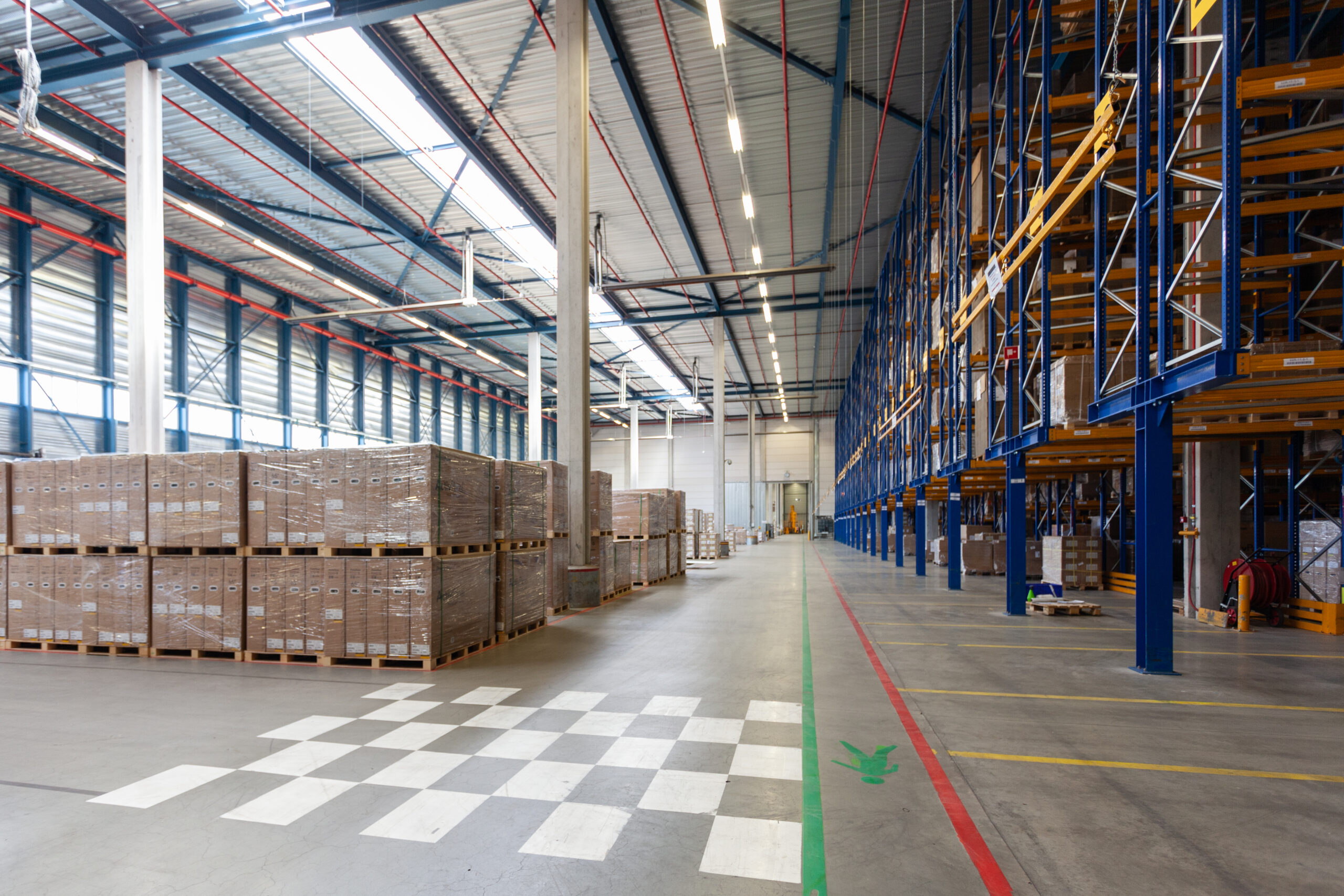
Businesses warehouse in Kuching, Kota Kinabalu or Miri to put stock within days of East Malaysian customers. Without it, every order waits about 2 to 3 weeks for sea freight from the Peninsula, or pays for air. The right city depends on where your customers are. The right stock level is roughly the demand during the sea lead time, plus a buffer for monsoon and demand swings.
Supplying Sabah and Sarawak from a single warehouse in the Klang Valley works until it doesn’t: a monsoon delay, a festive rush or a key customer asking for next-day delivery. A Borneo stock point turns those risks into routine deliveries. This guide covers when a second warehouse pays off, how to choose the city, how much stock to hold, and how to run it.
Why Stock in East Malaysia at All?
- Lead time: sea freight between West and East Malaysia takes about 2 to 3 weeks after the cargo reaches the warehouse. Local stock turns that into a delivery in days.
- Weather risk: the northeast monsoon, roughly November to March, can delay sailings. Local buffer stock absorbs the delay.
- Air freight avoidance: every urgent order served from local stock is a flight you didn’t pay for.
- Customer expectations: retailers, hypermarkets and project sites in Borneo increasingly expect local lead times.
- Consolidated replenishment: one full container to a Borneo warehouse costs less than many small LCL or air shipments to individual customers.
Kuching, Kota Kinabalu or Miri?
| City | Natural coverage | Typical users |
|---|---|---|
| Kuching | Southwest Sarawak: Kuching, Samarahan, Serian, with road links towards Sri Aman and Sibu | Retail and FMCG distribution, construction supply, government and education projects |
| Miri | Northern Sarawak: Miri, Bintulu direction, Limbang and Lawas region | Oil and gas supply, industrial spares, retail serving northern Sarawak |
| Kota Kinabalu | Sabah’s west coast and the main base for distribution to Sandakan, Tawau and the interior | Retail and hypermarket suppliers, F&B, building materials, e-commerce |
Distances in Borneo are long and the roads are slower than in the Klang Valley. A warehouse in Kuching does not serve Kota Kinabalu customers well, and the reverse is also true. Map where your orders actually go by value and frequency, not just by state, before choosing. Many businesses start with one Borneo site and add a second once volume justifies it.
How Much Stock to Hold
A simple, robust approach is a reorder point for each SKU:
Reorder point = average daily demand × replenishment lead time + safety stock
The replenishment lead time is the full time from placing the order to the stock being available in the Borneo warehouse: picking at origin, haulage, sailing, unloading and receiving. Then add a buffer for variability.
Worked Example
- A Kota Kinabalu customer base buys an average of 40 cartons a day of a fast-moving SKU.
- Replenishment from the Peninsula by sea takes about 18 days end to end.
- Safety stock is set at 7 days of demand to absorb delays: 280 cartons.
- Reorder point: 40 × 18 + 280 = 1,000 cartons.
When stock falls to 1,000 cartons, the next sea shipment goes. In monsoon months, raise the safety days. Slow-moving SKUs often do not justify Borneo stock at all. Ship them to order, or by air when needed.
Which SKUs Belong in the Borneo Warehouse?
| SKU type | Where to hold it |
|---|---|
| Fast movers with steady demand | East Malaysia, with reorder-point replenishment |
| Bulky, low-value items | East Malaysia, because air freight is uneconomic |
| Slow movers and long-tail SKUs | Peninsula only, shipped to order |
| High-value, light items | Peninsula, with air freight on demand |
| Seasonal and festive stock | Pre-positioned in East Malaysia before the peak |
Replenishment: Building a Rhythm
The most efficient East Malaysia operations use a fixed rhythm: a weekly or fortnightly sea shipment, consolidated into full containers where volume allows, plus an agreed process for urgent air top-ups. Fixed sailing days let the Peninsula warehouse plan picking and let the Borneo warehouse plan receiving labour. Our guide to sea freight cost from West to East Malaysia covers how to keep the inbound leg efficient.
Running the Borneo Warehouse Well
- One stock view: both warehouses should report in the same system, so sales teams can see what is available where. A warehouse management system with real-time stock makes this practical.
- Receiving discipline: check every container against the packing list on arrival, and report damage and shortages within the claim window.
- Count accuracy: a remote site needs regular cycle counts. See our guide on stock take vs cycle count.
- Local delivery partners: agree delivery schedules for interior towns, which may run on fixed days.
- Insurance: stock in storage should be insured for its value.
Cost: What Changes When You Add a Borneo Site
Storage itself is charged the same way as in the Peninsula: per pallet, per CBM or per square foot, plus handling in and out and picking. The difference is in the stock’s landed cost and the money tied up in it. Stock sitting in Kuching has already paid its sea freight, and you carry more inventory overall. Against that, you save on air freight, emergency shipments, lost sales and failed customer SLAs. Our warehouse cost guide breaks down the individual charges.
When a Borneo Warehouse Is Not Worth It
- Sales to East Malaysia are small or irregular.
- Customers accept 2 to 3 week lead times.
- Products are light and high-value, so air freight on demand is cheaper than holding stock.
- Shelf life is too short for sea transit plus storage time.
Warehousing in East Malaysia with De Hubs
De Hubs operates warehouses in Klang (Selangor), and in Kuching, Miri and Kota Kinabalu in East Malaysia. Businesses can store stock close to customers on both sides of the South China Sea, with the inbound leg covered by our sea freight. Our warehousing service includes storage, inventory management with a real-time WMS, stock reporting, and order fulfilment. Storage is available short or long term, so you only pay for the space you use.
Frequently Asked Questions
Why hold stock in a warehouse in Kuching or Kota Kinabalu?
Sea freight from the Peninsula takes about 2 to 3 weeks, and monsoon weather can add more. Holding stock in East Malaysia lets you deliver in days, avoid expensive air freight for urgent orders, and serve customers who expect local lead times.
Which East Malaysian city should I warehouse in?
It depends on where your customers are. Kuching serves southwest Sarawak, Miri serves northern Sarawak and the oil and gas supply chain, and Kota Kinabalu serves Sabah’s west coast and is the usual base for the rest of the state.
How much stock should I keep in East Malaysia?
Enough to cover demand during the sea freight lead time, plus a safety buffer for delays and demand swings. Fast movers deserve more cover. Slow movers can stay in the Peninsula.
Is warehousing in East Malaysia more expensive?
Storage rates are not always higher, but stock carries inbound sea freight cost and longer replenishment times. The saving usually comes from fewer air shipments and faster deliveries.
Where does De Hubs have warehouses?
De Hubs operates warehouses in Klang (Selangor) in West Malaysia, and in Kuching, Miri and Kota Kinabalu in East Malaysia.