
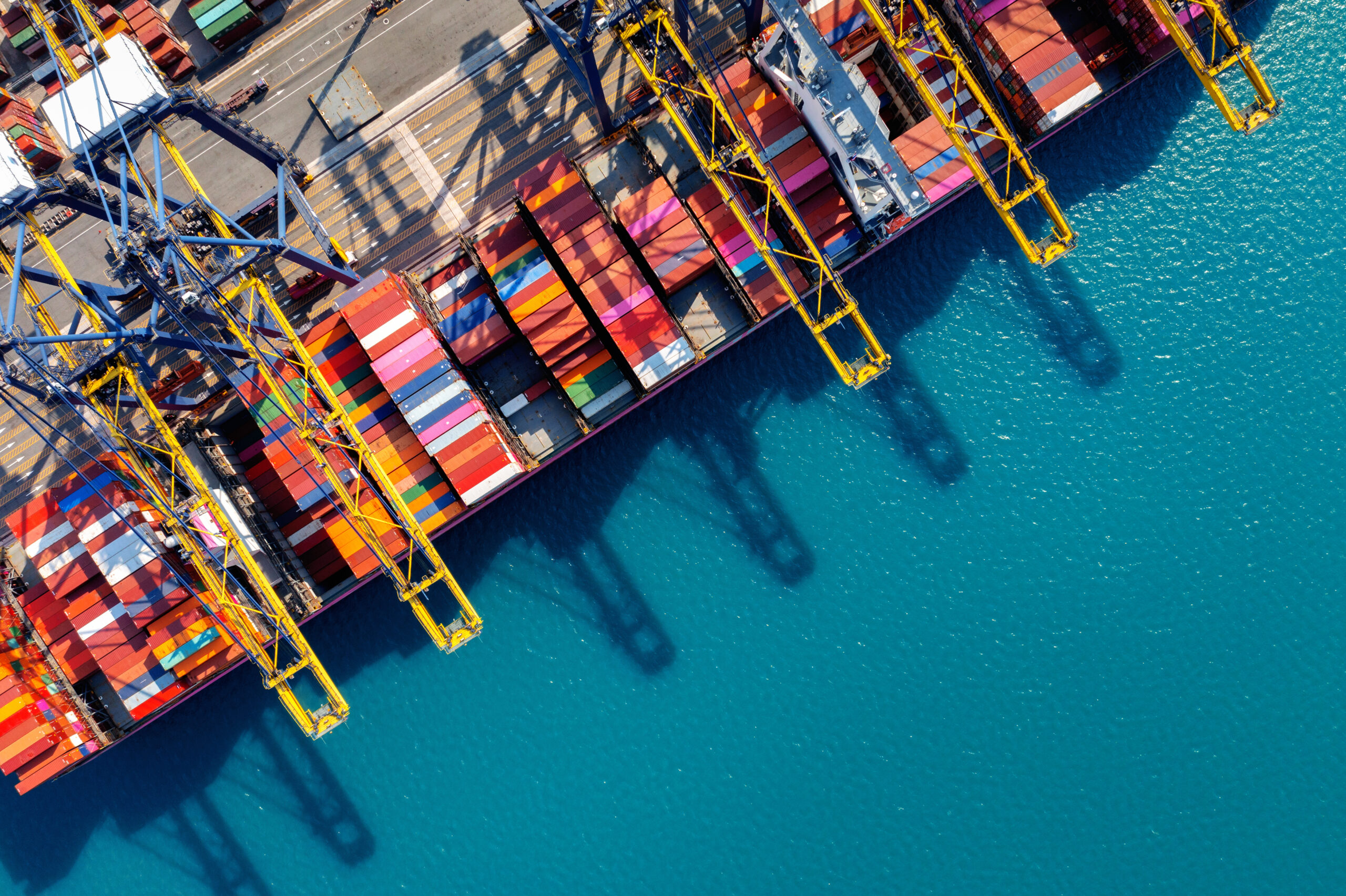
Sea freight from Peninsular Malaysia to Sabah and Sarawak is priced per container for FCL, and per CBM (or per tonne for heavy cargo) for LCL. On top of the freight come haulage at both ends, port and documentation charges, customs and permits, and surcharges for dangerous goods, oversized cargo or peak season. The route, the port and the season decide most of the difference between quotes.
Two quotes for “a container to Kuching” can differ widely, and both can be fair. One may include haulage from Shah Alam and delivery to Samarahan. The other may be port to port. This guide breaks down every line on a West-to-East Malaysia sea freight quote, explains why rates move, and shows the decisions that actually lower the landed cost.
The Building Blocks of a Sea Freight Quote
| Cost element | What it covers | How it is charged |
|---|---|---|
| Ocean freight | The sea leg, for example Port Klang to Kota Kinabalu | FCL per container; LCL per CBM or tonne (W/M) |
| Origin haulage / pickup | Moving the container or cargo from your premises to the port or consolidation warehouse | Per trip, by distance and lorry or prime mover size |
| Origin port and handling charges | Terminal handling, LCL warehouse handling, stuffing | Per container or per CBM |
| Documentation | Bill of lading, manifest, admin | Per shipment |
| Customs and permits | Clearance and any permits the goods need | Per declaration or permit |
| Destination port and handling charges | Terminal handling, LCL unstuffing | Per container or per CBM |
| Destination delivery | Port or warehouse to the consignee’s door | Per trip, by distance |
| Surcharges | Fuel, peak season, DG, oversized cargo | Per container, per CBM or per shipment |
Always confirm whether a quote is port to port or door to door. A low freight rate with haulage, handling and delivery excluded can end up the most expensive option.
FCL or LCL: The First Cost Decision
With FCL you pay for the whole container whether it is full or not, so the cost per CBM falls the more you load. With LCL you pay only for your volume, but each CBM costs more, and consolidation and unstuffing add handling and time. Small shipments are cheaper by LCL. Above a certain volume, often somewhere around 13–15 CBM depending on current rates, a 20ft FCL becomes cheaper. Our FCL vs LCL guide shows how to find the break-even, and our CBM calculation guide shows how to measure your cargo accurately.
Route and Port
East Malaysia is served by several ports, and the destination port shapes both rate and transit time:
- Sabah: Kota Kinabalu (Sapangar Bay), Sandakan, Tawau, and Labuan for the federal territory.
- Sarawak: Kuching, Bintulu, Miri and Sibu.
The main ports have the most frequent sailings and the most competition, which usually means lower rates and fewer rollovers. Smaller ports may have fewer sailings, higher rates, or cargo that is transhipped or trucked from a main port. Choose the port closest to the consignee by road, not just the cheapest port. Road haulage across Sabah or Sarawak can outweigh the freight saving.
Haulage at Both Ends
Haulage is often the second-largest cost. At origin, it depends on the distance from your premises to Port Klang or the consolidation warehouse, the lorry or prime mover needed, and waiting time at the port. At destination, it depends on the distance from the port to the consignee, road conditions, and whether the site can receive a container or needs the cargo unstuffed onto a smaller lorry. Interior deliveries in Sabah and Sarawak can add a
significant share to the total. Our guide to transport in Sabah and Sarawak covers the road side.
Cargo Type and Special Handling
- Dangerous goods: need declaration with an MSDS, carrier acceptance and segregation, and carry a surcharge. Some classes are not accepted at all. See our dangerous goods guide.
- Oversized or heavy cargo: may need flat racks or open tops, lifting equipment and escorted road haulage.
- Fragile or high-value goods: may justify FCL for security, plus cargo insurance.
- Temperature-controlled goods: need reefer equipment and a power supply at the terminals.
Season and Market Conditions
Rates and schedules move with the calendar:
- Northeast monsoon (roughly November to March): rough seas in the South China Sea can delay sailings and tighten capacity.
- Festive peaks: restocking before Chinese New Year, Hari Raya, Kaamatan, Gawai and year-end lifts demand for space.
- Fuel prices: passed on through fuel or bunker adjustment surcharges.
- Port congestion and vessel availability: rolled bookings mean extra storage at origin and late arrival.
Our article on sea freight shipping in Malaysia covers transit times and the common causes of delay in more detail.
Hidden Costs That Turn Up on the Final Invoice
| Charge | Why it happens | How to avoid it |
|---|---|---|
| Re-measurement adjustment | Actual CBM or weight is higher than declared | Measure packed cargo and declare true figures |
| Port storage | Cargo or container not collected within the free period | Have documents and delivery booked before arrival |
| Container demurrage or detention | Container kept beyond the free days | Plan unloading capacity at the consignee |
| Waiting time | Lorry kept waiting at pickup or delivery | Confirm loading slots and receiving hours |
| Failed delivery | Consignee closed or unreachable | Give a named contact and confirm the date |
Eight Ways to Lower Your Sea Freight Cost
- Consolidate weekly orders into fewer, fuller shipments.
- Move from LCL to FCL once your regular volume passes the break-even.
- Right-size cartons and pallets to cut CBM.
- Book ahead of monsoon and festive peaks.
- Choose the destination port nearest the consignee by road.
- Keep invoices, packing lists and permits complete, so cargo is not held.
- Hold buffer stock in East Malaysia so urgent orders do not need air freight.
- Agree regular volumes with one forwarder for more stable rates.
Getting an Accurate Quote
A quote is only as good as the information behind it. Send:
- the cargo type, with an MSDS if it is a chemical or dangerous goods;
- the total weight and CBM, or carton and pallet dimensions;
- the pickup address and the delivery address, not just the port;
- the ready date and any delivery deadline.
Sea Freight Pricing with De Hubs
De Hubs’ sea freight service ships FCL and LCL door to door between West Malaysia and Sabah and Sarawak. That covers container or LCL booking, haulage to and from the port, documentation and customs clearance. FCL is priced per container and LCL per CBM, and transit is usually about 2 to 3 weeks after the cargo reaches our warehouse. For urgent top-ups between sailings, see our guide to air freight to Sabah and Sarawak.
Frequently Asked Questions
How is sea freight to Sabah and Sarawak priced?
FCL is priced per container (20ft or 40ft). LCL is priced per CBM, or per tonne if the cargo is very heavy. Haulage, port and documentation charges, customs and permits, and any special handling are added to the freight.
Is it cheaper to ship to Kota Kinabalu or Kuching than to smaller ports?
Usually, yes. The main ports have more frequent sailings and more competition. Smaller ports and interior delivery addresses add freight, transit time or road haulage.
Why did my sea freight quote change?
Common reasons are a different volume or weight after measurement, fuel or peak-season surcharges, port congestion, extra waiting or storage time, or cargo that needed special handling.
How long does sea freight take from West to East Malaysia?
About 2 to 3 weeks after the cargo reaches the warehouse, depending on the vessel schedule, port and weather.
How can I reduce sea freight cost to East Malaysia?
Consolidate shipments, fill containers properly, book ahead of peak periods, keep documents complete to avoid storage charges, and send planned stock by sea rather than air.