
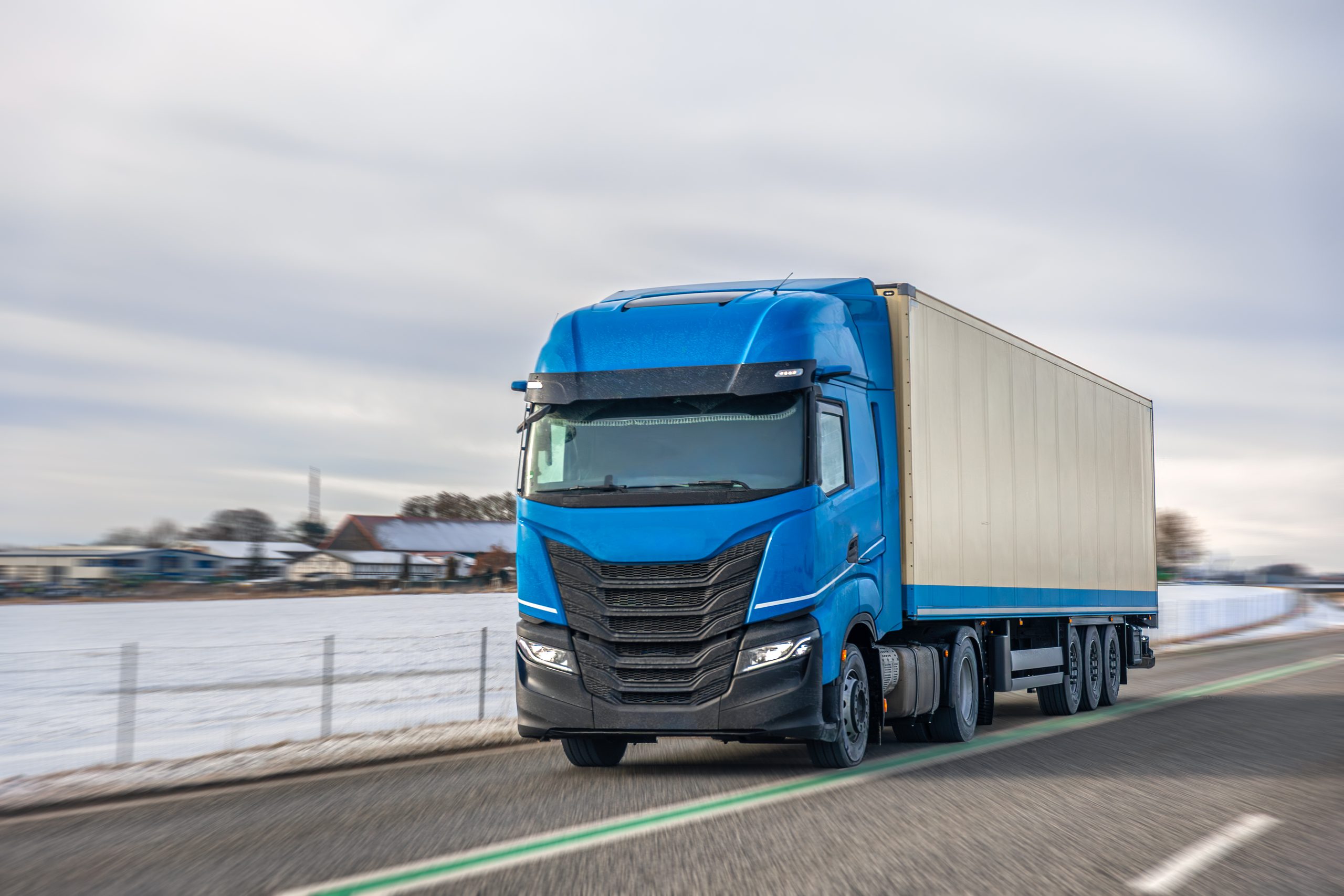
Container haulage moves 20ft and 40ft containers by prime mover and trailer between the port, container depots and your premises. It is usually charged per trip by container size and distance from the port. Tolls, fuel, lift-on/lift-off, waiting time and detention are the extras that inflate the bill. Most of them can be avoided with planning.
For FCL shippers, haulage is often the second-largest cost after ocean freight, and the least understood. A container that waits two extra days at your factory can cost more in detention than the haulage trip itself. This guide explains the equipment, how haulage is priced, and the routine that keeps the trucking legs of an FCL shipment on budget.
The Equipment
| Equipment | Use |
|---|---|
| Prime mover | The tractor unit that pulls the trailer |
| Skeletal trailer | Standard chassis for 20ft and 40ft containers, light and efficient |
| Flatbed trailer | Containers, flat racks and break-bulk cargo |
| Side-loader | A trailer with its own crane to lift containers on and off where the site has no forklift or crane |
| Low loader | Over-height or very heavy cargo and machinery |
| Reefer genset | Power for refrigerated containers on the road |
A Typical Export Haulage Cycle
- Empty pickup: the prime mover collects an empty container from the shipping line’s depot.
- Delivery to your premises: the container is dropped for loading or loaded while the truck waits.
- Stuffing: you load and seal the container and record the seal number.
- Full return to port: the container is hauled to the terminal before the vessel’s cut-off.
Imports run the other way: a full container from the port to your premises, unloading, then the empty returned to the depot named by the shipping line. Each leg is a trip, and each trip has free time and potential waiting charges.
How Haulage Is Charged
| Charge | What drives it |
|---|---|
| Trip rate | Container size (20ft or 40ft) and distance or zone from the port |
| Tolls | The route between the port, depot and your premises |
| Fuel adjustment | Diesel price movements |
| Lift-on/lift-off (LOLO) | Depot charges for lifting containers on and off trucks |
| Waiting time | Time at your premises or the port beyond the free period |
| Drop-and-pick or staging | Leaving the container at your site, or holding it at the haulier’s yard |
| Heavy or special surcharges | Overweight boxes, reefers, dangerous goods, out-of-gauge cargo |
Live Unload vs Drop-and-Pick
Live unload: the prime mover waits while you load or unload. It costs least if you can turn the container around within the free waiting time, typically a few hours. Drop-and-pick: the trailer and container are left at your site and collected later. It is useful when unloading takes longer, but it adds a trip charge and uses up container free days. Choose based on how quickly your team and equipment can actually work a container.
Demurrage, Detention and Storage
- Port storage: charged by the terminal when a container stays beyond its free period at the port.
- Demurrage: charged by the shipping line when a full container stays at the port beyond the line’s free days.
- Detention: charged by the shipping line when the container is outside the port, at your premises or in transit, beyond the free days before return.
These charges are per container, per day, and rise with time. They usually come from slow customs clearance, unready receiving sites, or a shortage of trucks at peak times. Our guide to Port Klang cargo pickup covers the release documents that start the clock moving.
Weight Limits on the Road
A container can be loaded to a higher weight than the road may allow for a given prime mover and trailer. Before stuffing a heavy container, check the haulier’s maximum gross weight for the combination and route. Overweight containers can be refused, need special equipment or attract surcharges, and may need re-stuffing. Our CBM and container size guide lists container payloads.
Preparing Your Site for a Container
Many haulage extras start at the customer’s gate. Before the container arrives, check:
- Access: can a prime mover with a 40ft trailer enter, turn and exit? Check gate width, overhead clearance and road load limits inside the site.
- Unloading method: a loading dock at trailer height, a forklift with a container ramp, or a side-loader if neither is available.
- Labour: enough people to unload within the free waiting time. Hand-stacked cartons take far longer than pallets.
- Timing: the site’s receiving hours, and any restrictions on heavy vehicles in the area at peak times.
- Documents: who signs for the container, records the seal number and notes any damage.
Six Ways to Cut Haulage Cost
- Book haulage when you book the vessel, not after the cargo is ready.
- Have loading or unloading labour and equipment ready when the container arrives.
- Clear customs before the vessel arrives, so import containers move on day one.
- Combine two 20ft containers on one trailer where weight allows.
- Ask for the empty to be returned to the nearest depot.
- Track free days for every container and escalate before they run out.
Container Inspection at Handover
Inspect every container at each handover to protect your cargo and avoid damage charges for a box you did not damage:
- Check the container number and seal number against the documents.
- Look for holes, dents, damaged doors and door seals before loading, and refuse unsuitable empties.
- Check the floor is clean, dry and free of nails or residue.
- Photograph the container’s condition at pickup and at return.
Is FCL Haulage Right for You?
If your shipments are small, LCL with lorry delivery from the consolidation warehouse avoids container haulage altogether. Our FCL vs LCL guide explains the trade-off. For the road leg after unstuffing, choose a lorry by weight and CBM.
Container Haulage with De Hubs
On De Hubs’ sea freight service, we book your FCL container or LCL space, collect the cargo or container from your premises (or you deliver it to our warehouse), and handle haulage to and from the port, documentation and customs clearance. For loose cargo collected from Port Klang, including Northport and Westport, our lorry transport service delivers across West Malaysia.
Frequently Asked Questions
What is a prime mover?
A prime mover is the tractor unit that pulls a trailer. In container haulage it pulls a trailer carrying a 20ft or 40ft container between the port, depots and the shipper’s or consignee’s premises.
How is container haulage charged in Malaysia?
Usually per trip, by container size and the distance or zone from the port, plus tolls, fuel adjustments, lift-on/lift-off at depots, waiting time beyond the free period, and surcharges for heavy or special containers.
What is the difference between demurrage and detention?
Demurrage is charged when a full container stays at the port beyond the free days. Detention is charged when the container is kept outside the port, at your premises, beyond the free days before it is returned.
Can one prime mover carry two 20ft containers?
Yes, on a suitable 40ft trailer two 20ft containers can be carried together, subject to the combined weight being within legal limits.
Does De Hubs arrange container haulage?
Yes. As part of its sea freight service, De Hubs collects the cargo or container from your premises and handles haulage to and from the port.