
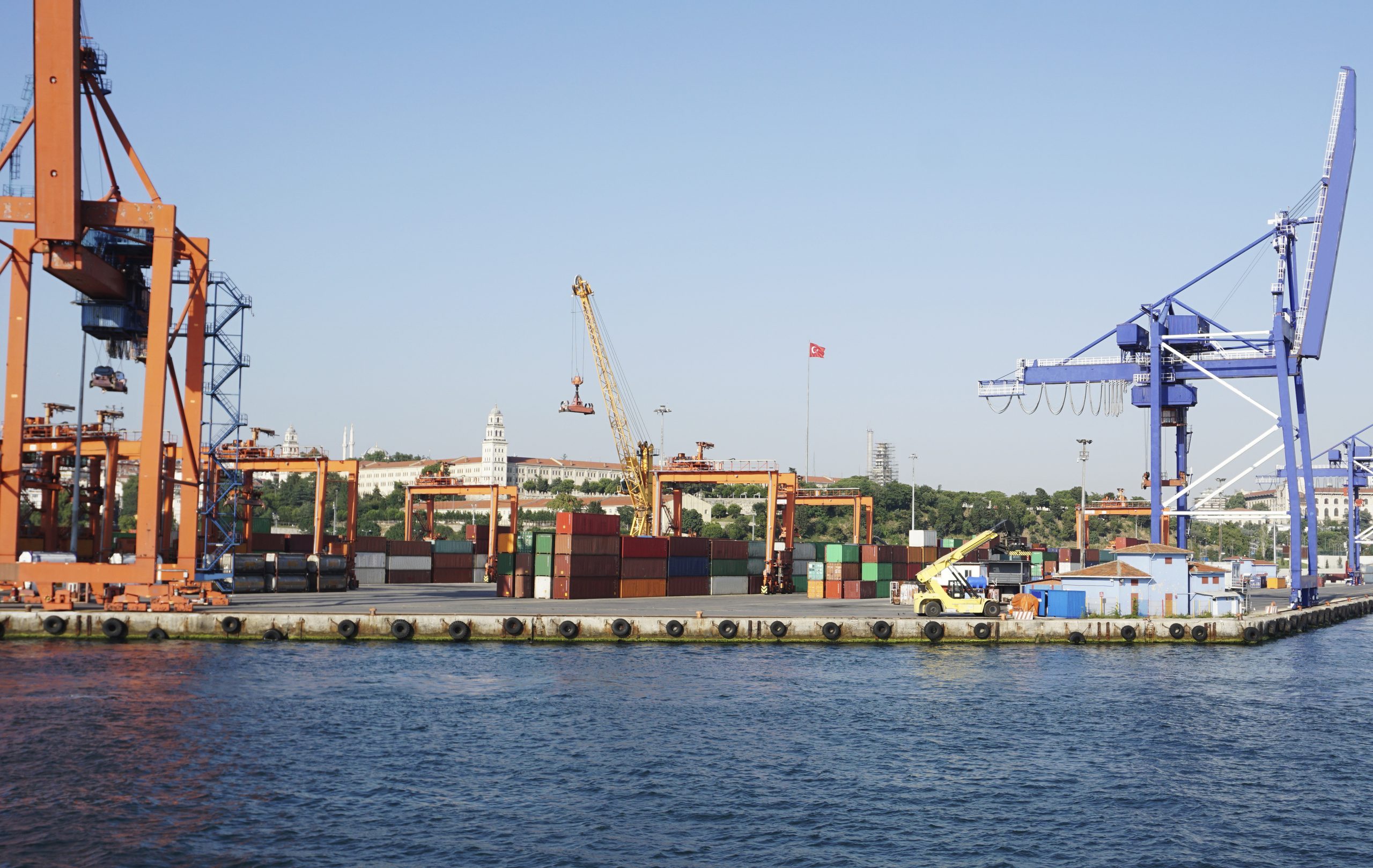
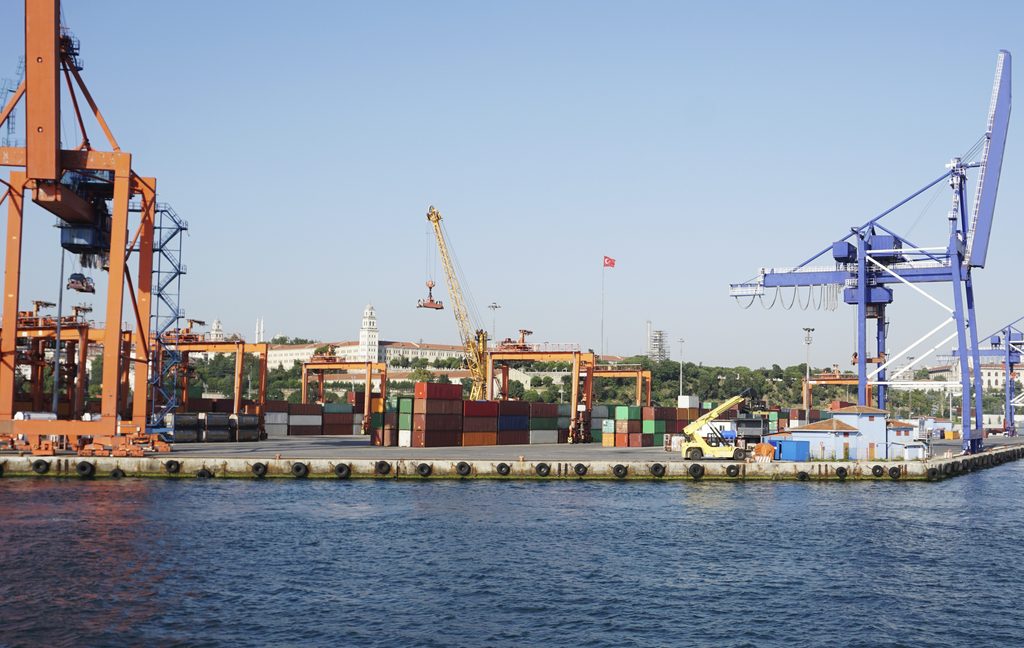
Port Klang has two main terminal operators, Northport and Westports. Cargo can be collected only once the delivery order is released, customs clearance is approved and port charges are paid. Lorries then collect from the terminal or from a container freight station or port warehouse. Collect within the free storage period, because daily storage charges start once it ends.
Port Klang is Malaysia’s busiest port and the start of most inbound supply chains in the Peninsula. It is also where many delivery dates slip: not because the vessel was late, but because a document, a payment or a booking was. This guide explains the two terminals, the release process, and the practical steps that get your cargo out of the port and to your door on time.
Northport vs Westports at a Glance
| Northport | Westports | |
|---|---|---|
| Location | Northern side of Port Klang | Pulau Indah |
| Main business | Containers, plus conventional, break-bulk and other cargo wharves | Containers, including a large share of transhipment |
| Who decides which you use | The shipping line and vessel call, not the cargo owner | |
| What it means for pickup | Different gates, procedures and road access, so the transporter must know the exact terminal and warehouse | |
For the cargo owner, the important point is the exact pickup location: the terminal, the container freight station (CFS) or the bonded or port warehouse where your cargo actually sits. Port Klang also includes free zone and warehouse areas, so “Port Klang” on its own is not enough for a pickup booking.
Two Ways Cargo Leaves the Port
- Full container (FCL): the container is collected from the terminal by a prime mover and delivered to your premises for unloading, or unstuffed at a depot and the cargo trucked onward.
- Loose cargo (LCL or break-bulk): the container is unstuffed at a CFS or port warehouse, and your cargo is collected by lorry, often a 3-tonne or 5-tonne depending on weight and CBM.
The Release Process, Step by Step
- Arrival notice: the shipping line or forwarder confirms the vessel’s arrival and the charges due.
- Delivery order (DO): issued once freight and local charges are paid, and the original bill of lading is surrendered or a telex release is confirmed.
- Customs clearance: the import declaration is submitted and approved, along with any permits. Some shipments are selected for inspection.
- Port and handling charges: terminal or CFS charges are paid.
- Pickup booking: the transporter is given the location, release references, cargo details and a collection slot.
- Collection and delivery: the cargo is loaded, checked against the documents and delivered to your named contact.
Each step depends on the one before it. A transporter at the gate cannot fix an unpaid charge or an unreleased DO, which is why pickups fail.
Timing: The Free Period and Storage Charges
Ports and CFS operators give a limited free storage period after discharge or unstuffing. After that, storage is charged per day. Containers held beyond the shipping line’s free days also attract demurrage at the port, or detention if the container is outside the port. To stay within the free time:
- Start customs clearance before the vessel arrives.
- Pay local charges as soon as the arrival notice comes.
- Book the lorry for the first day the cargo is releasable.
- Make sure the receiving site can accept the delivery.
Common Reasons Pickups Fail
| Problem | Prevention |
|---|---|
| Delivery order not released | Pay freight and local charges early; confirm the telex release |
| Customs inspection or query | Accurate invoice, packing list and HS codes; permits ready |
| Wrong pickup location | Give the exact terminal, CFS or warehouse name |
| Cargo not yet unstuffed (LCL) | Confirm the CFS availability date before booking |
| Lorry too small or the wrong type | Give the weight, CBM and piece dimensions when booking |
| Consignee not ready to receive | Confirm the delivery date and a named contact |
Choosing the right truck starts with the cargo’s weight and volume. Our guide to lorry sizes and payload explains how to match them.
Worked Example: Northport to Pasir Gudang
A distributor needs 3 bags of goods, about 2.6 tonnes and 4.4 CBM, collected from a warehouse inside Northport and delivered to a factory in Pasir Gudang, Johor, two days later.
- Quotation: the cargo weight, CBM, pickup and delivery addresses and delivery date are sent by WhatsApp or the contact form.
- Truck matching: a 3-tonne lorry (FTL) is recommended, because the weight fits its payload and the volume fits its body.
- Port pickup: the driver collects from the port warehouse with the release documents provided.
- Delivery: the cargo is delivered to the named contact person in Johor on the agreed date.
- Proof of delivery: the customer receives delivery confirmation and can track the shipment throughout.
Port Pickup Checklist for Shippers
- Terminal and exact pickup location (terminal, CFS or warehouse).
- Bill of lading or container number, and the DO reference.
- Customs release confirmation and any permits.
- Confirmation that port and handling charges are paid.
- Cargo details: pieces, weight, CBM, any dangerous goods.
- Delivery address, receiving hours and a contact person.
Moving Cargo Onward from Port Klang
Once out of the port, cargo usually goes to a factory, a distribution centre or a warehouse for storage and onward distribution. If your volumes are regular, compare FTL vs LTL for the onward leg. For cargo going on to Sabah or Sarawak, it can move straight into sea freight without returning to your premises.
Port Klang Pickups with De Hubs
De Hubs regularly collects cargo from warehouses and depots inside Port Klang, including Northport and Westport, for delivery to customers across West Malaysia. Tell us the warehouse, the cargo release details and the delivery date when you book our lorry transport service, and we will match the truck to the load.
Frequently Asked Questions
What is the difference between Northport and Westports?
They are the two main terminal operators at Port Klang. Westports is on Pulau Indah. Northport is on the northern side of Port Klang and also operates conventional and break-bulk wharves. Your cargo’s terminal is set by the shipping line and vessel.
What documents do I need to collect cargo from Port Klang?
Typically a delivery order (DO) from the shipping line or forwarder, customs clearance or release, payment of port and handling charges, and any permits the goods need. The transporter also needs the collection appointment and warehouse details.
How quickly should I collect cargo after it arrives?
As soon as documents and customs release allow. Storage at the port or container freight station is free only for a limited period, after which daily storage charges apply.
Why is my cargo not ready for pickup?
Common reasons are an unreleased delivery order, outstanding charges, a customs inspection, missing permits, or cargo not yet unstuffed at the container freight station.
Can De Hubs collect from Northport and Westports?
Yes. De Hubs regularly collects cargo from warehouses and depots inside Port Klang, including Northport and Westport, for delivery across West Malaysia.