
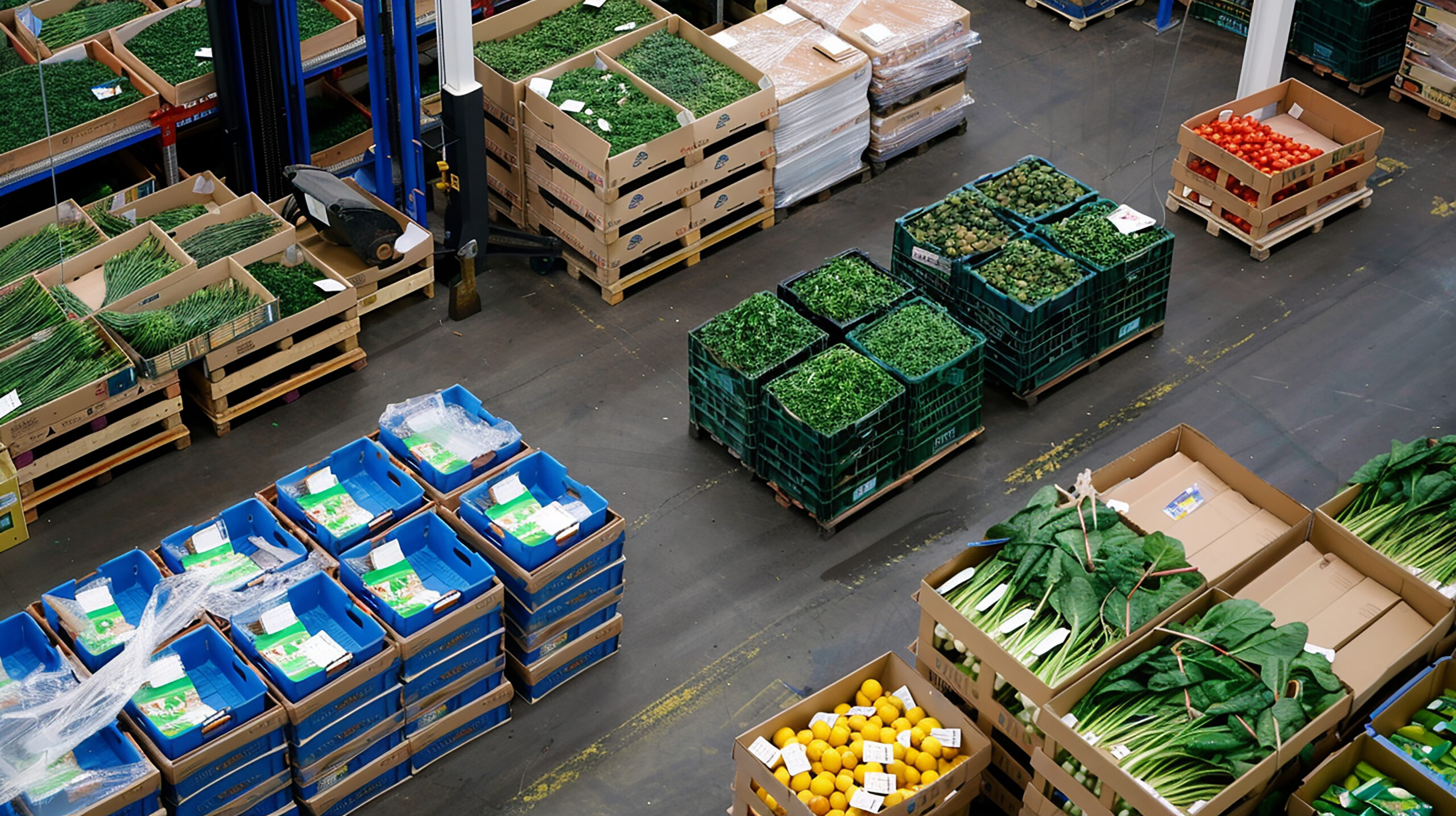
MAQIS (Malaysian Quarantine and Inspection Services) controls plants, animals, fish, meat and agricultural produce entering or leaving Malaysia. Sabah and Sarawak also control these goods arriving from Peninsular Malaysia. In practice, live plants, animals and many fresh foods need a permit before pickup and an inspection on arrival.
Agricultural cargo is where good logistics planning most often fails. The cargo is perishable and the rules are product-specific, so a missing permit can turn a two-day air shipment into a write-off. This guide explains who regulates what, which products are affected, and how to sequence the permit, packing and booking so the cargo moves without a hold.
Who Regulates Agricultural Cargo in Malaysia?
| Authority | Main role |
|---|---|
| MAQIS | Quarantine, inspection and permits for imports and exports of plants, animals, carcasses, fish, agricultural produce, soil and microorganisms at entry points |
| Department of Veterinary Services (DVS) | Animal health: live animals, meat, dairy, animal feed and veterinary products |
| Department of Agriculture | Plant health: phytosanitary certificates, plant pests, planting material |
| Sabah and Sarawak state agriculture and veterinary authorities | Entry of plants, animals and agricultural products into Sabah and Sarawak, including from the Peninsula |
| Fisheries Department | Live fish, aquatic animals and some fishery products |
Which authority you deal with depends on the product and the direction. An international import passes through MAQIS at the entry point. A domestic shipment from Shah Alam to Kuching is not an import, but the state rules for Sabah and Sarawak can still apply.
Which Products Usually Need a Permit?
- Live plants, cuttings, seeds and bulbs: pest risk, often needing a phytosanitary certificate or treatment.
- Soil, growing media and compost: heavily restricted because of pest and disease risk.
- Fresh fruit and vegetables: depends on the product and its origin.
- Live animals, birds, pets and ornamental fish: health certificates and approval.
- Meat, poultry, eggs and dairy: veterinary and halal requirements.
- Animal feed and veterinary products.
- Timber and wooden packaging: wood packaging for international cargo usually needs ISPM 15 heat treatment marks.
Processed, shelf-stable and fully packaged foods often face lighter requirements than fresh produce, but labelling and food safety rules still apply. When in doubt, ask before you pack.
Shipping to Sabah and Sarawak: The Extra Layer
Many shippers assume domestic means unregulated. For agricultural goods, East Malaysia is different. Both states protect their agriculture from pests and diseases found in the Peninsula, so shipments of plants, animals and some produce need approval from the state authority, and may be inspected at the airport or port on arrival. Requirements differ between Sabah and Sarawak, and they change. Check the current rules for the specific product and destination each time, not just the first time.
Step-by-Step: Moving a Permitted Shipment by Air
- Identify the product precisely: species or variety, form (live, fresh, chilled, frozen, processed) and quantity.
- Check requirements: with MAQIS, the relevant department or the state authority for the destination.
- Apply for the permit: the consignee details must exactly match the commercial invoice and air waybill.
- Obtain supporting certificates: phytosanitary, health or treatment certificates, as required.
- Pack for inspection and temperature: inspectors must be able to open and re-close cartons, and perishables need cooling.
- Book the flight: only once the permit is confirmed, and declare the cargo as perishable or live animals.
- Arrival inspection and release: keep originals available. Cargo is released after inspection.
Why Air Freight Suits Agricultural Cargo
Air is the natural mode for perishable and live cargo because time is the enemy. General air cargo from KLIA reaches Sabah and Sarawak in about 2 to 5 days door to door, against 2 to 3 weeks by sea. Perishables are also usually loaded ahead of general cargo when space is tight. Our guide to how air cargo moves through KLIA explains the priority system and cut-off times.
Bulk, shelf-stable agricultural products, such as packaged dry foods or animal feed, are often cheaper by sea if the permit allows. The sea vs air comparison shows where the break-even sits.
Common Mistakes and Their Cost
| Mistake | Result |
|---|---|
| Booking the flight before the permit is approved | Cargo waits at origin, and perishables spoil |
| Consignee on the permit differs from the air waybill | Hold on arrival until the documents are corrected |
| Vague description (“plants”, “food items”) | Inspection and possible rejection |
| Soil or growing media left on plant roots | Rejection or treatment at the owner’s cost |
| Packaging that cannot be opened for inspection | Damage during inspection or delay |
| Assuming last year’s requirements still apply | New conditions missed and cargo detained |
Packing Perishable and Live Cargo for Air
Permits only get the cargo through the door. It still has to arrive in a condition the inspector will pass and the customer will accept.
- Fresh produce: pre-cool before packing, use ventilated cartons, and add gel packs rather than loose ice, which leaks.
- Frozen goods: insulated boxes with dry ice, which is dangerous goods by air and must be declared with its net weight.
- Live plants: clean, bare-rooted or in approved sterile media, wrapped against moisture loss, with the label matching the permit.
- Live animals: airline-approved containers with ventilation, food and water instructions, and the live animal handling code declared at booking.
Label every carton with the product, quantity, consignee and permit number, so the inspector can match it without opening every box.
Permits and Other Restricted Air Cargo
Agricultural goods are one of several groups that need approval before flying. Alcohol, tobacco and medical supplies have their own permits, and products containing batteries, aerosols or chemicals are dangerous goods. Our guide to what you can and cannot ship by air covers all of these in one place.
How De Hubs Handles Permit Shipments
Live plants and similar goods can be shipped with De Hubs’ air freight service, subject to approval from the local authorities. You need an export and import permit before the cargo is handed over, and you can appoint De Hubs to apply on your behalf. We check that the permit, invoice and air waybill match, book the flight once the approval is in place, and deliver after release at the destination.
Frequently Asked Questions
What is MAQIS?
MAQIS (Malaysian Quarantine and Inspection Services) is the federal agency that inspects and controls the import and export of plants, animals, carcasses, fish, agricultural produce and related products at Malaysia’s entry points.
Do I need a permit to send plants from Peninsular Malaysia to Sabah or Sarawak?
Usually, yes. Sabah and Sarawak control the entry of plants, animals and many agricultural products from the Peninsula. A permit or approval from the relevant state authority, and inspection on arrival, are commonly required.
How long does a MAQIS or agricultural permit take?
It depends on the product and the authority. Simple produce permits can be quick, while live animals, plants needing treatment certificates and first-time applications take longer. Apply well before your shipping date.
What happens if agricultural cargo arrives without a permit?
It can be detained, re-exported, treated at the owner’s cost or destroyed. The shipper may also face penalties.
Can a logistics company apply for the permit for me?
Yes. For air shipments, De Hubs can apply for the export and import permits on your behalf, subject to approval by the local authorities.