
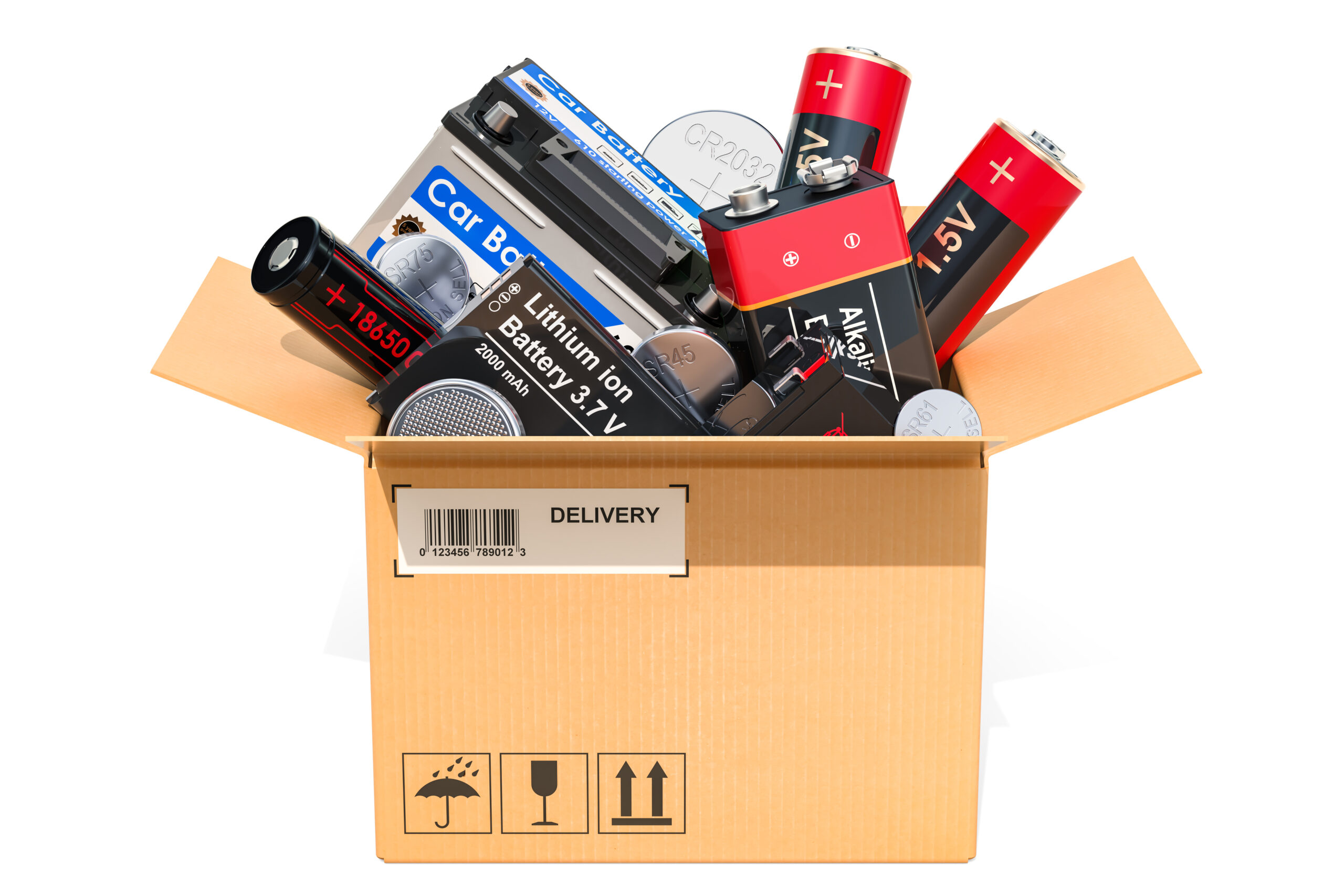
Most business goods fly as general cargo. Dangerous goods such as lithium batteries, perfumes, aerosols and paints can fly only when declared and packed to airline rules. Controlled and agricultural items need permits. A short list of explosive, toxic or unstable goods is forbidden outright. The category depends on what the product contains, not what it is called.
Shippers are usually caught out by everyday products: a power bank inside a gift set, a hair spray in a hotel amenity order, or a cleaning chemical in a spare-parts kit. This guide sorts air cargo into four groups and gives you a checklist to run before you book.
The Four Categories of Air Cargo
| Category | Examples | What you need |
|---|---|---|
| General cargo | Garments, electronics without loose batteries, spare parts, documents, printed material, packaged dry goods | Invoice, packing list, accurate description |
| Dangerous goods (restricted) | Lithium batteries, perfume, aerosols, paints, adhesives, dry ice, magnetised material | MSDS, DG declaration, UN packaging and labels, airline approval |
| Permit or approval required | Live plants, animals, meat and some food, medicines and medical devices, alcohol, tobacco | Permit from the relevant authority before handover |
| Forbidden by air | Explosives and fireworks, most flammable gases, damaged or recalled lithium batteries, certain toxic and unstable substances | Cannot fly. Consider sea or road if permitted |
Dangerous Goods by Air
Air cargo follows the IATA Dangerous Goods Regulations, which are stricter than the sea freight (IMDG) rules because an aircraft cannot pull over. The same nine hazard classes apply. Our guide to the dangerous goods classes explains each one. By air, though, quantity limits per package are tighter, some substances are allowed only on cargo aircraft, and packaging must be UN-specification.
The Material Safety Data Sheet (MSDS) is the starting point. Section 14 (transport information) shows the UN number, proper shipping name,
class and packing group. If section 14 says “not regulated”, the product generally ships as general cargo. If it lists a UN number, it is dangerous goods.
Lithium Batteries: The Most Common Problem
| How the battery is shipped | Typical UN number | By air? |
|---|---|---|
| Lithium-ion batteries contained in equipment (laptop, phone) | UN3481 | Yes, with correct packing and marks |
| Lithium-ion batteries packed with equipment | UN3481 | Yes, with tighter quantity limits |
| Standalone lithium-ion batteries and power banks | UN3480 | Cargo aircraft only, with limited state of charge |
| Lithium metal batteries (coin cells and similar) | UN3090 / UN3091 | Restricted. Standalone cells mostly cargo aircraft only |
| Damaged, defective or recalled batteries | – | Forbidden |
Because most domestic air cargo to East Malaysia flies in the belly of passenger aircraft, standalone power banks and spare batteries are often
better sent by sea or by freighter where available.
Everyday Products That Are Dangerous Goods
- Perfume, cologne, nail polish, hand sanitiser: flammable liquids (Class 3).
- Hair spray, spray paint, insecticide, deodorant sprays: aerosols (Class 2).
- Paints, inks, adhesives, resins: often flammable liquids.
- Dry ice used to keep food frozen: Class 9, limited per package and declared.
- Car parts: airbags, batteries, fuel-system parts with residue.
- Cleaning chemicals: corrosives (Class 8) or oxidisers (Class 5.1).
- Speakers and magnetrons: may count as magnetised material.
Goods That Need Permits or Approval
Some goods are safe to fly but regulated. In Malaysia, permits are issued by different authorities depending on the product:
- Plants, seeds, fresh produce, meat and live animals: quarantine and inspection requirements apply. Sabah and Sarawak have their own rules for goods arriving from the Peninsula. See our MAQIS permit guide.
- Medicines, health supplements and medical devices: regulated by the health authorities and their agencies.
- Alcohol and tobacco: controlled items that need the relevant licences and duty treatment.
- Telecommunications and electrical equipment: may need certification for import or sale.
The permit must name the same consignee as the air waybill. A mismatch is one of the most common reasons regulated cargo is held on arrival.
Size and Weight Limits
Even general cargo has physical limits. Narrow-body passenger aircraft, which carry much of the domestic belly cargo to Sabah and Sarawak, limit the size and weight of a single piece because cargo is loaded loose through the hold door. Overweight or oversized cargo may need a widebody aircraft or a freighter, special handling, or a different mode. Ask for the piece limits for your route before you promise a delivery date.
Pre-Booking Checklist
- List every item in the shipment, including accessories and gifts packed with it.
- Get the MSDS for any chemical, cosmetic, aerosol or battery-containing product, and check section 14.
- Check whether any item needs a permit, and apply before pickup.
- Measure and weigh each piece after packing.
- Declare dangerous goods to your forwarder at booking, not at the terminal.
Who Is Responsible When Something Goes Wrong?
Under air cargo rules, the shipper is responsible for classifying, packing, marking and declaring dangerous goods correctly, even when a forwarder books the shipment. Forwarders and airlines check the declaration, but they rely on what the shipper tells them. A wrong MSDS, an old version, or a product reformulated without updating the data sheet all leave the liability with the shipper. Keep current MSDS files for every product you ship by air, and ask your suppliers to confirm when a formula changes.
When Air Is Not the Right Mode
If the cargo is forbidden by air, or so restricted that air becomes impractical, sea freight is the usual alternative. Many goods restricted on passenger aircraft can move by sea under IMDG rules. Our comparison of sea freight vs air cargo helps you weigh transit time against cost and acceptance.
Air Freight Acceptance with De Hubs
De Hubs’ air freight service carries general cargo between West and East Malaysia. Dangerous goods must be declared with an MSDS and are subject to airline approval. Controlled items such as alcohol, tobacco and medical supplies need permits and approvals before they fly, and we can apply for import and export permits on your behalf. Overweight or oversized cargo may need special handling or incur additional charges, so share the dimensions when you request a quote.
Frequently Asked Questions
Can I ship lithium batteries by air freight?
Yes, but under strict rules. Batteries packed with or inside equipment can usually fly if correctly packed and declared. Standalone lithium-ion batteries are restricted to cargo aircraft with a limited state of charge. Damaged or recalled batteries are forbidden.
Can I send perfume by air cargo?
Perfume and many cosmetics contain alcohol and are classed as flammable liquids. They can fly as dangerous goods when properly packed, labelled and declared, subject to airline acceptance.
Do I need a permit to ship food or plants by air within Malaysia?
Many agricultural products, live plants and animals need permits or inspection, especially when sent to Sabah and Sarawak, which have their own import rules. Apply before the cargo is handed over.
What happens if I don’t declare dangerous goods?
Undeclared dangerous goods can be rejected, held or destroyed, and the shipper may face penalties. Undeclared DG is also a genuine safety risk to the aircraft.
What does De Hubs accept by air?
De Hubs flies general cargo between West and East Malaysia. Dangerous goods must be declared with an MSDS and are subject to airline approval. Controlled items need permits, which we can apply for on your behalf.