
Air cargo leaving KLIA for Sabah and Sarawak passes through six stages: booking, acceptance and weighing, security screening, build-up onto pallets or containers, the flight, and breakdown and release at the destination airport. The flight itself takes around two hours. The handling around
it is what decides whether door-to-door delivery takes two days or five.
Knowing how the cargo terminal works helps you plan realistic delivery dates, avoid missed cut-offs, and understand why “the flight was full” is sometimes the real reason cargo is a day late. This guide follows a shipment from a Klang Valley warehouse to a customer in Kota Kinabalu or Kuching.
KLIA’s Cargo Zone at a Glance
Kuala Lumpur International Airport in Sepang is Malaysia’s main air cargo gateway. Cargo is handled in a dedicated cargo and logistics zone, apart
from the passenger terminals. It includes airline cargo terminals, ground handlers, forwarders’ warehouses and the KLIA Aeropolis logistics area. Domestic
cargo to East Malaysia flies two ways:
- In the belly hold of passenger aircraft: frequent daily flights to Kota Kinabalu and Kuching, with less frequent flights to Miri, Sibu, Bintulu, Sandakan, Tawau and Labuan.
- On freighters: fewer departures but more capacity and fewer size limits, useful for bulky or heavy consignments.
Belly space is limited, especially on narrow-body aircraft. During festive peaks such as Hari Raya, Chinese New Year and Christmas, and in the run-up to the Kaamatan and Gawai festivals, passenger baggage can squeeze out cargo, so space should be booked earlier.
Stage 1: Booking and Documents
Your forwarder books space on a specific flight using the cargo’s weight, dimensions and type. At this stage the air waybill is prepared, and the commercial invoice, packing list, any permits and an MSDS for chemical or battery-containing goods are checked. Errors here are the cheapest to fix. After acceptance, they cost a flight.
Stage 2: Acceptance and Weighing
Cargo must reach the terminal before the airline’s acceptance cut-off, typically several hours before departure for general cargo and earlier for dangerous goods or special cargo. At acceptance the terminal:
- counts pieces against the air waybill;
- weighs and measures the cargo to confirm the chargeable weight (the higher of actual and volumetric weight);
- checks packaging and labels, and inspects any dangerous goods declaration.
A weight difference between your paperwork and the terminal scale means re-billing at best, and at worst a hold while the documents are corrected.
Stage 3: Security Screening
All air cargo must be screened before it is loaded, by X-ray, explosive trace detection or physical inspection, unless it comes from a regulated, secure supply chain. Dense or mixed cargo that cannot be read clearly on X-ray may be opened. Packing items in clear, consistent cartons with an accurate description speeds this step.
Stage 4: Build-Up
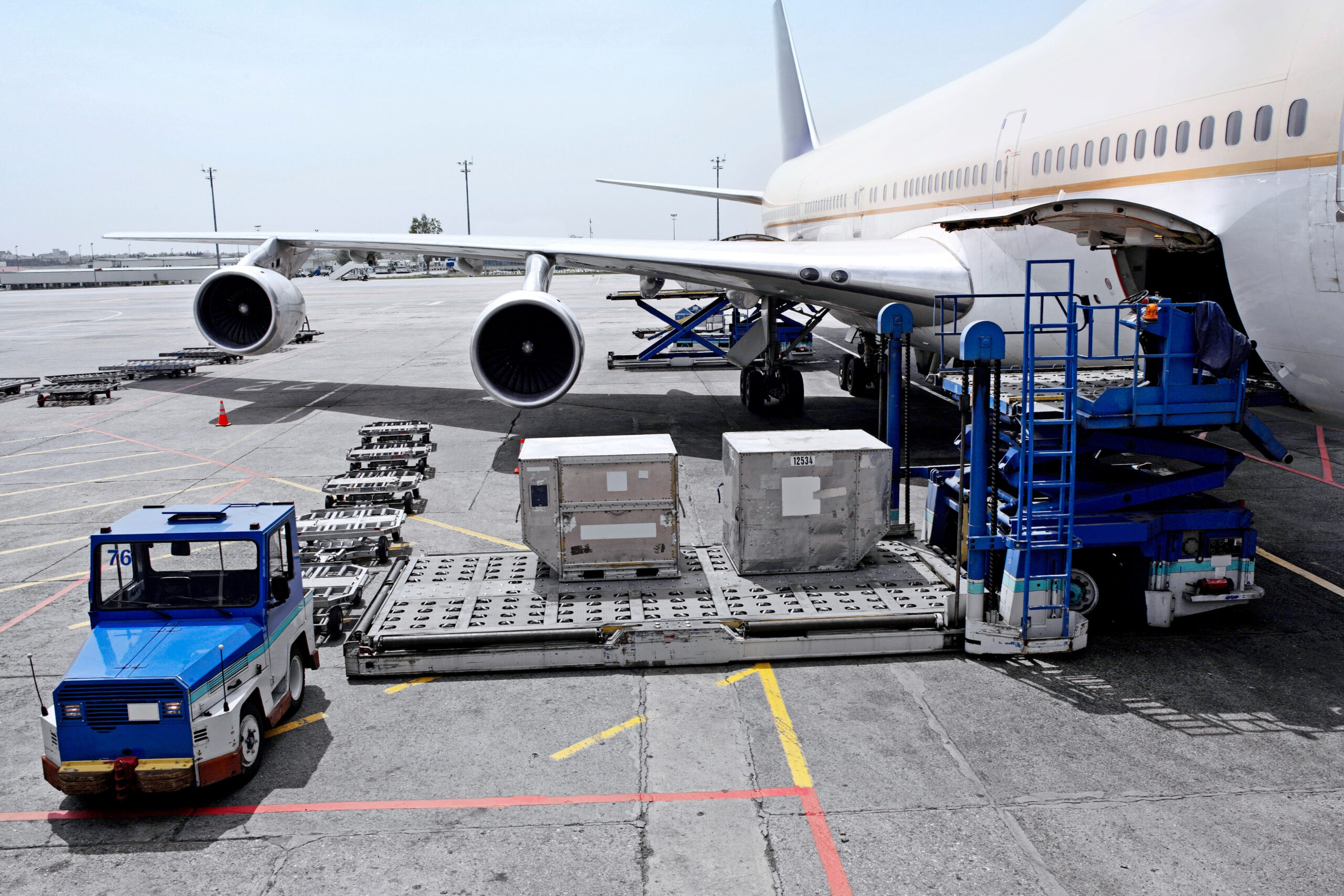
Accepted cargo is built onto aircraft pallets or into unit load devices (ULDs) shaped to fit the aircraft hold. Narrow-body passenger aircraft often carry loose cargo in the hold rather than ULDs, which limits the size of a single piece. That is why oversized or heavy items may need a widebody or a freighter, and may cost more.
Stage 5: Flight and Priority
When space is tight, airlines load cargo by priority. Mail, express and perishables typically go first, then general cargo by booking. General cargo that is accepted but “offloaded” rolls to the next flight. This is the most common reason for a one-day delay. It is not a sign the cargo is lost.
Stage 6: Arrival, Breakdown and Release
At Kota Kinabalu, Kuching or another destination, cargo is broken down, checked against the manifest and made available for collection. Agricultural products, live plants and animals may be inspected on arrival. Sabah and Sarawak have their own import rules for these, covered in our guide to MAQIS permits for plants, food and animals. The consignee, or their delivery agent, collects with identification and the release documents, then delivers to the door.
Typical Timeline: Shah Alam to Kota Kinabalu
| Day | Step |
|---|---|
| Day 0 | Booking, documents checked, pickup from the shipper’s warehouse |
| Day 0–1 | Delivery to the KLIA cargo terminal before cut-off, acceptance and screening |
| Day 1–2 | Flight to Kota Kinabalu (or next available flight if offloaded) |
| Day 2–3 | Breakdown, release and collection at the destination terminal |
| Day 2–5 | Delivery to the consignee’s door, depending on the town |
Kota Kinabalu and Kuching city deliveries sit at the fast end. Interior towns reached by road from the airport sit at the slow end. Our guide to
air freight to Sabah and Sarawak compares routes and transit times by destination.
Five Ways to Avoid Delays at KLIA
- Book before you pack the truck: confirm the flight and its cut-off, then schedule pickup backwards from it.
- Measure after packing: declare the real dimensions so chargeable weight does not change at acceptance.
- Declare dangerous goods: batteries, perfumes, aerosols and some chemicals need declaration and airline approval.
- Keep pieces within aircraft limits: ask about maximum piece size and weight for the route before you quote your customer.
- Avoid peak weekends: before festivals, ship earlier in the week and earlier in the month.
Packing Cargo for the Terminal
Terminal handling is mechanical and fast, so packaging has to survive forklifts, roller beds and stacking in the hold. Use rigid outer cartons, palletise anything heavier than one person can lift, and keep the pallet footprint within the pallet edges. Avoid overhang, which is easily damaged during build-up. Shrink-wrap mixed cartons into a single unit and label each piece on two sides. Remember that every centimetre of packaging adds to volumetric weight, so protect the goods without padding the box.
KLIA Cargo with De Hubs
De Hubs’ air freight service handles general cargo between West and East Malaysia in both directions, using passenger aircraft and freighters with stable flight schedules from KLIA. We collect, pack and weigh your cargo, prepare the air waybill, deliver to the terminal before cut-off, and deliver at destination. General cargo usually arrives in 2 to 5 days door to door. For the pricing side, our air freight shipping guide explains volumetric and chargeable weight.
Frequently Asked Questions
Where is KLIA Cargo?
KLIA’s cargo facilities are in the cargo and logistics zone of Kuala Lumpur International Airport in Sepang, Selangor, separate from the passenger terminals. Several ground handlers and the airlines’ cargo arms operate terminals there.
What is the cut-off time for air cargo at KLIA?
Each airline and handler sets its own acceptance cut-off, commonly several hours before departure for general cargo and earlier for dangerous goods or special cargo. Your forwarder books against the cut-off for your flight.
How long does air cargo take from KLIA to Kota Kinabalu or Kuching?
The flight takes about two to two and a half hours, but door-to-door general cargo usually takes 2 to 5 days once pickup, terminal processing, flight allocation and delivery are included.
Do domestic shipments to Sabah and Sarawak go through customs?
Cargo between Peninsular and East Malaysia is domestic, so it is not an import. Controlled, agricultural and some other goods still need permits or inspection on arrival, so check requirements before you ship.
Can I collect my cargo directly from the airport?
The consignee named on the air waybill can collect at the destination terminal with identification and any release documents. A door-to-door service avoids this step.